"The Sovereign Silhouette: Hand-Carved West African Matriarch with Ceremonial Headdress"
The History & Soul
In West African cultures—particularly the Yoruba of Nigeria and the Akan of Ghana—the head is considered the seat of one's Ori (destiny or soul). The elaborate headdress, or Gele, depicted here is more than just fashion; it is a crown of status. It represents the "Great Mother" or the "Queen Mother" archetype—a symbol of wisdom, leadership, and the backbone of the community.
The Craftsmanship
Carved from seasoned West African hardwoods (such as Iroko or Sapele), this sculpture focuses on Structural Elegance:
The Headdress: Notice the gravity-defying folds and geometric textures. Each ridge is hand-chiseled to mimic the stiff, prestigious fabric of a traditional wrap.
The Profile: These pieces are often carved in a "long-neck" style (influenced by the Akan aesthetic), symbolizing beauty and prosperity.
The Finish: Usually treated with a dark wax or natural oils to highlight the "chisel-dance"—the visible marks of the artist’s tools that prove this didn't come off a factory line.
"The Sovereign Silhouette: Hand-Carved West African Matriarch with Ceremonial Headdress"
The History & Soul
In West African cultures—particularly the Yoruba of Nigeria and the Akan of Ghana—the head is considered the seat of one's Ori (destiny or soul). The elaborate headdress, or Gele, depicted here is more than just fashion; it is a crown of status. It represents the "Great Mother" or the "Queen Mother" archetype—a symbol of wisdom, leadership, and the backbone of the community.
The Craftsmanship
Carved from seasoned West African hardwoods (such as Iroko or Sapele), this sculpture focuses on Structural Elegance:
The Headdress: Notice the gravity-defying folds and geometric textures. Each ridge is hand-chiseled to mimic the stiff, prestigious fabric of a traditional wrap.
The Profile: These pieces are often carved in a "long-neck" style (influenced by the Akan aesthetic), symbolizing beauty and prosperity.
The Finish: Usually treated with a dark wax or natural oils to highlight the "chisel-dance"—the visible marks of the artist’s tools that prove this didn't come off a factory line.


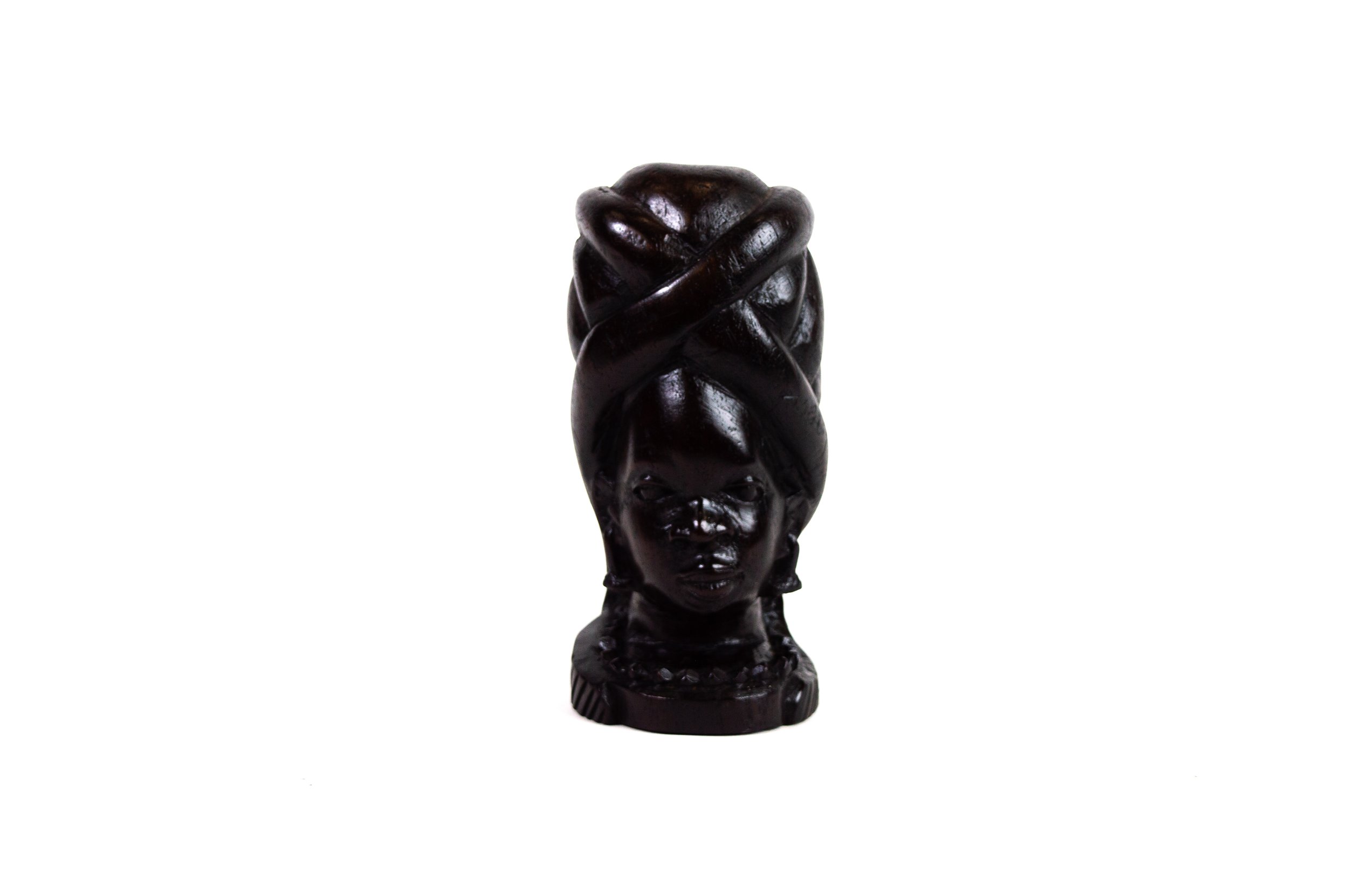 Image 1 of 9
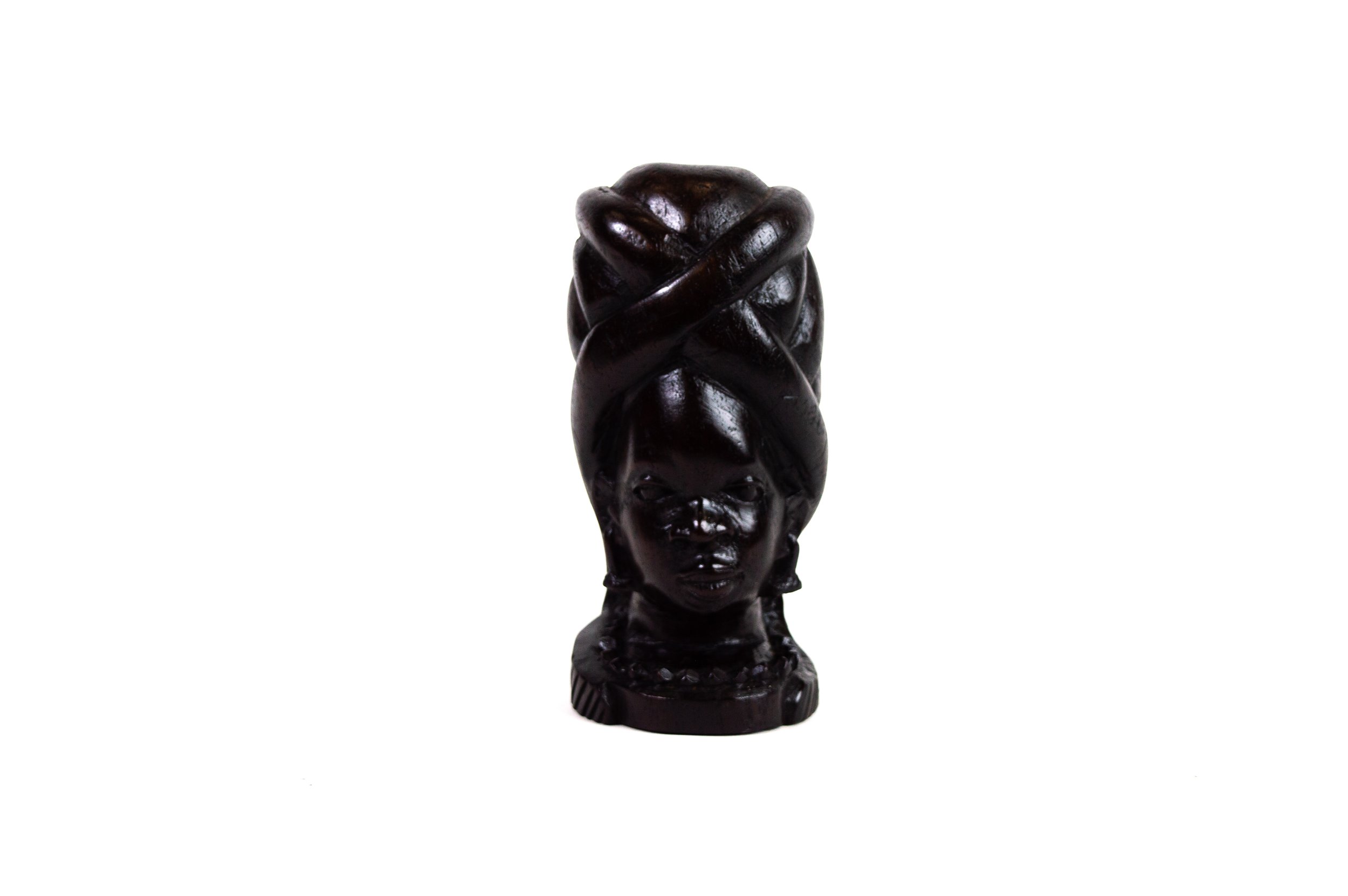 Image 2 of 9
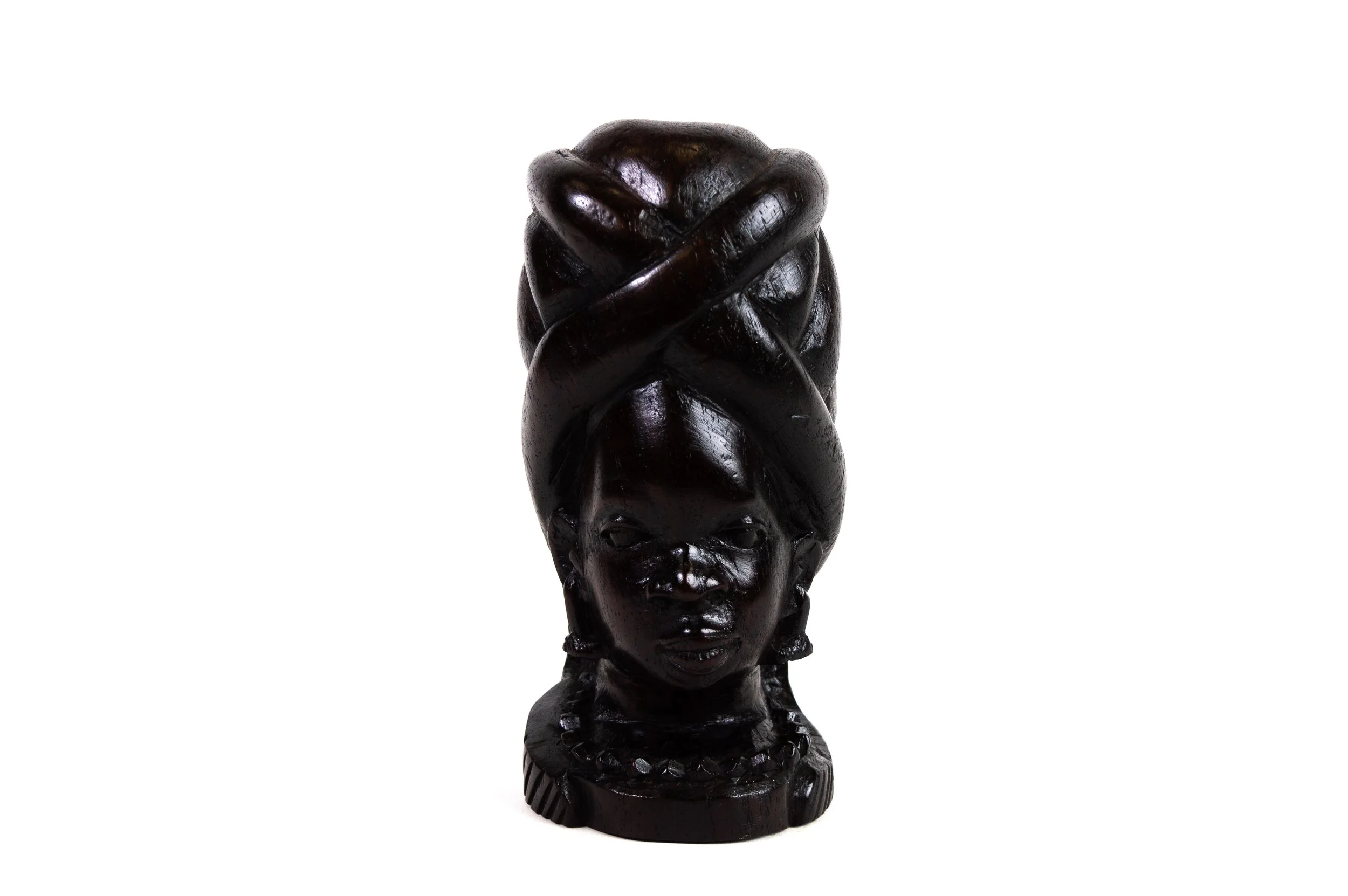 Image 3 of 9
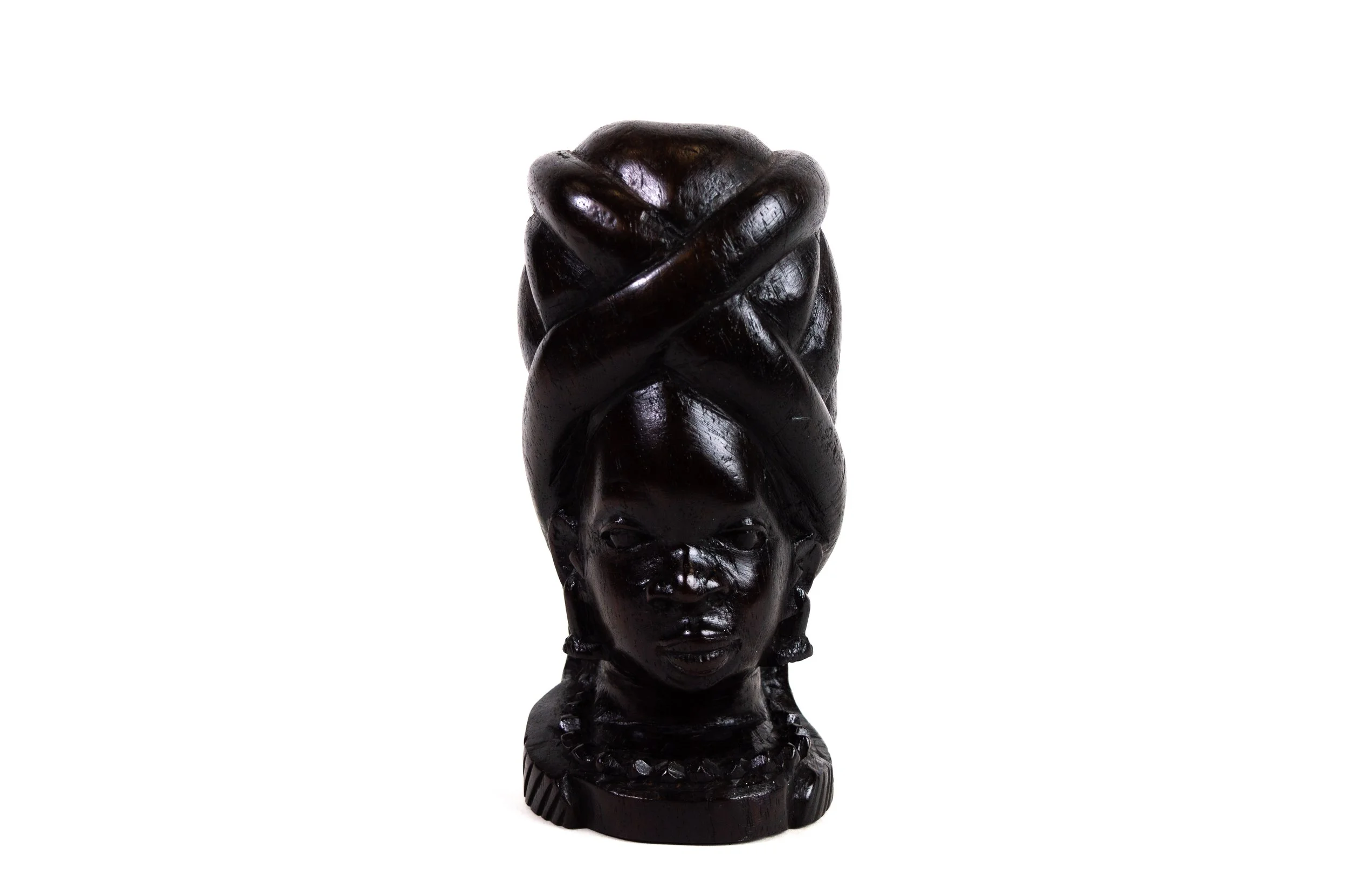 Image 4 of 9
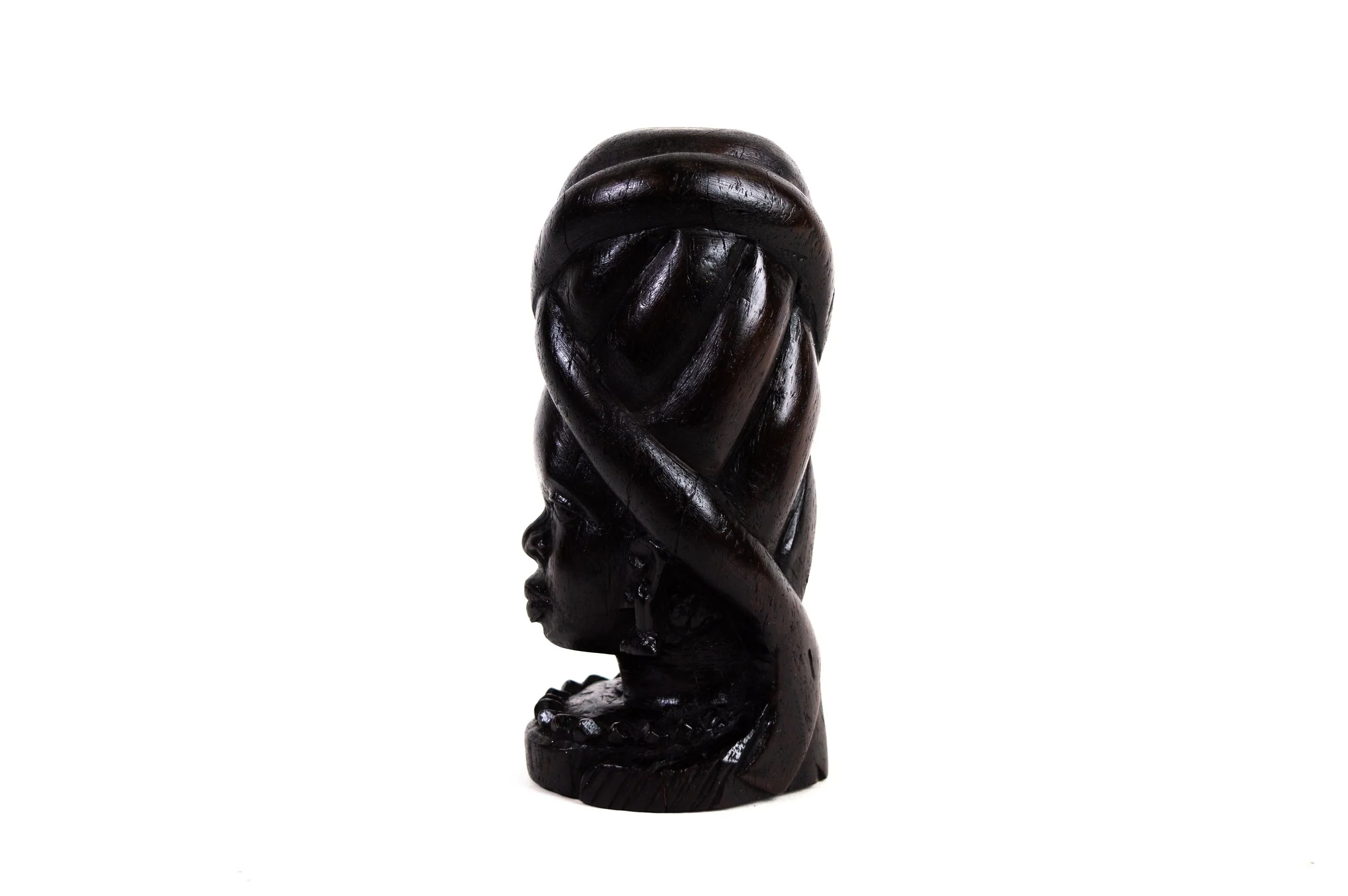 Image 5 of 9
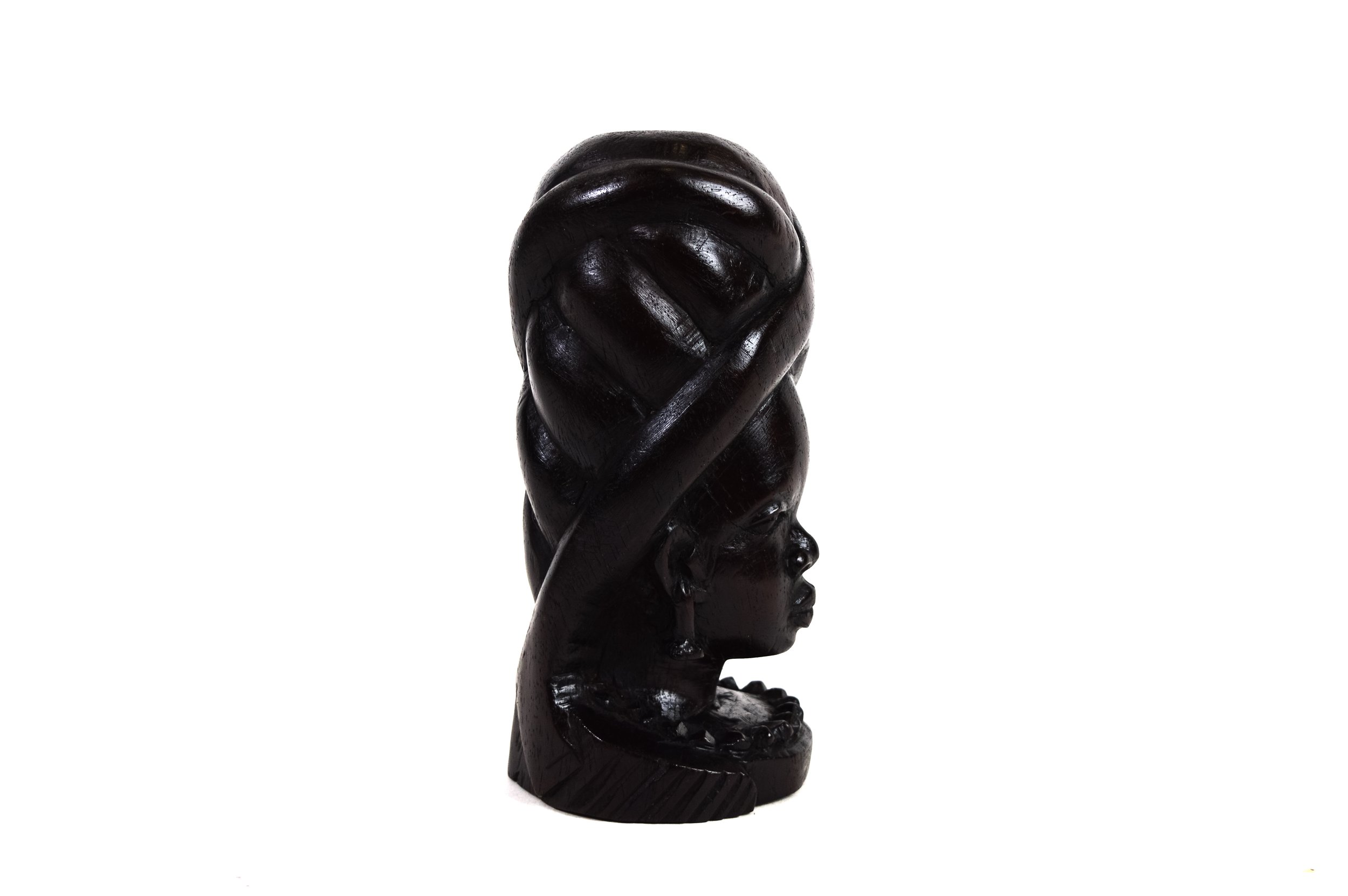 Image 6 of 9
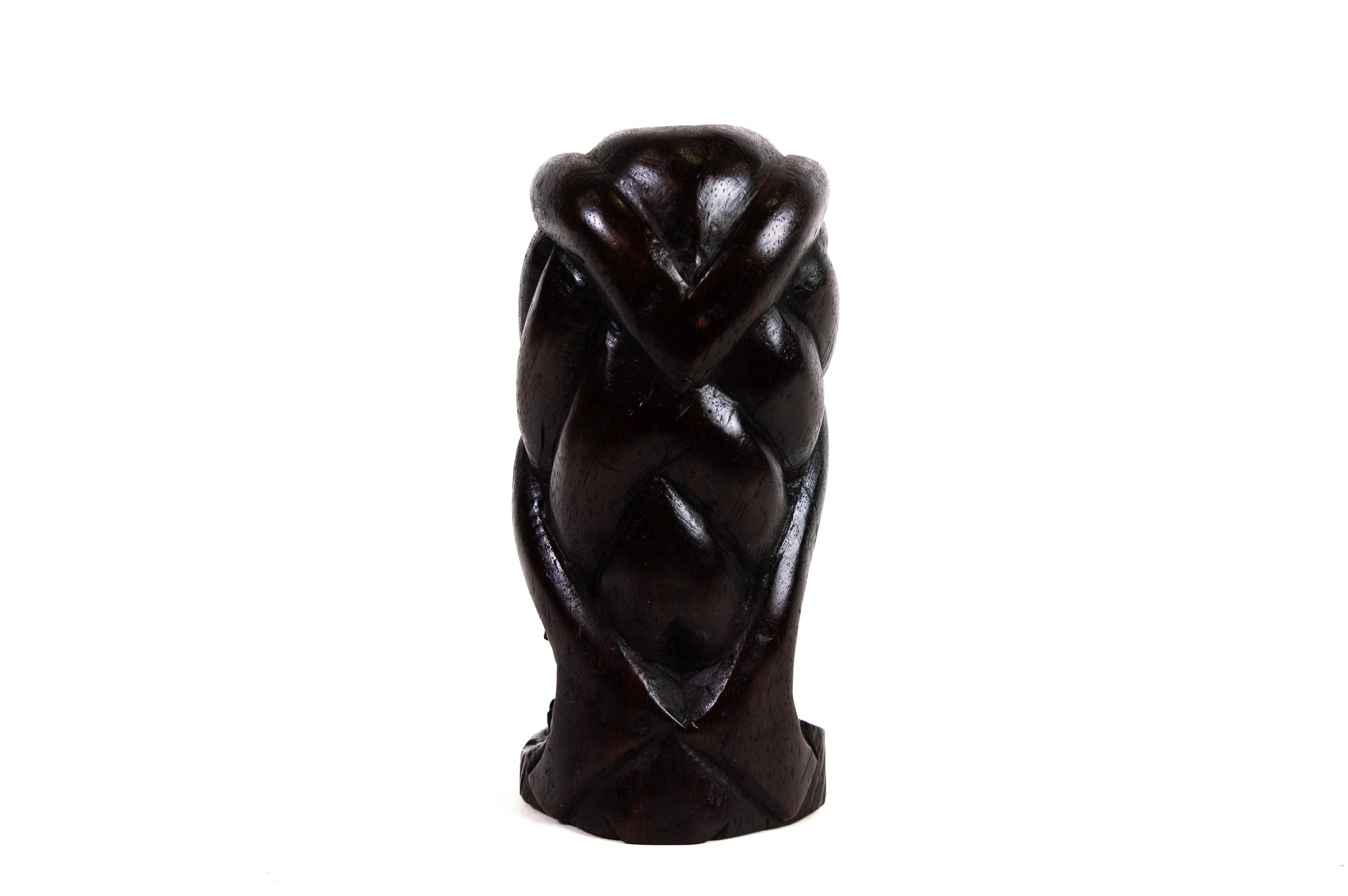 Image 7 of 9
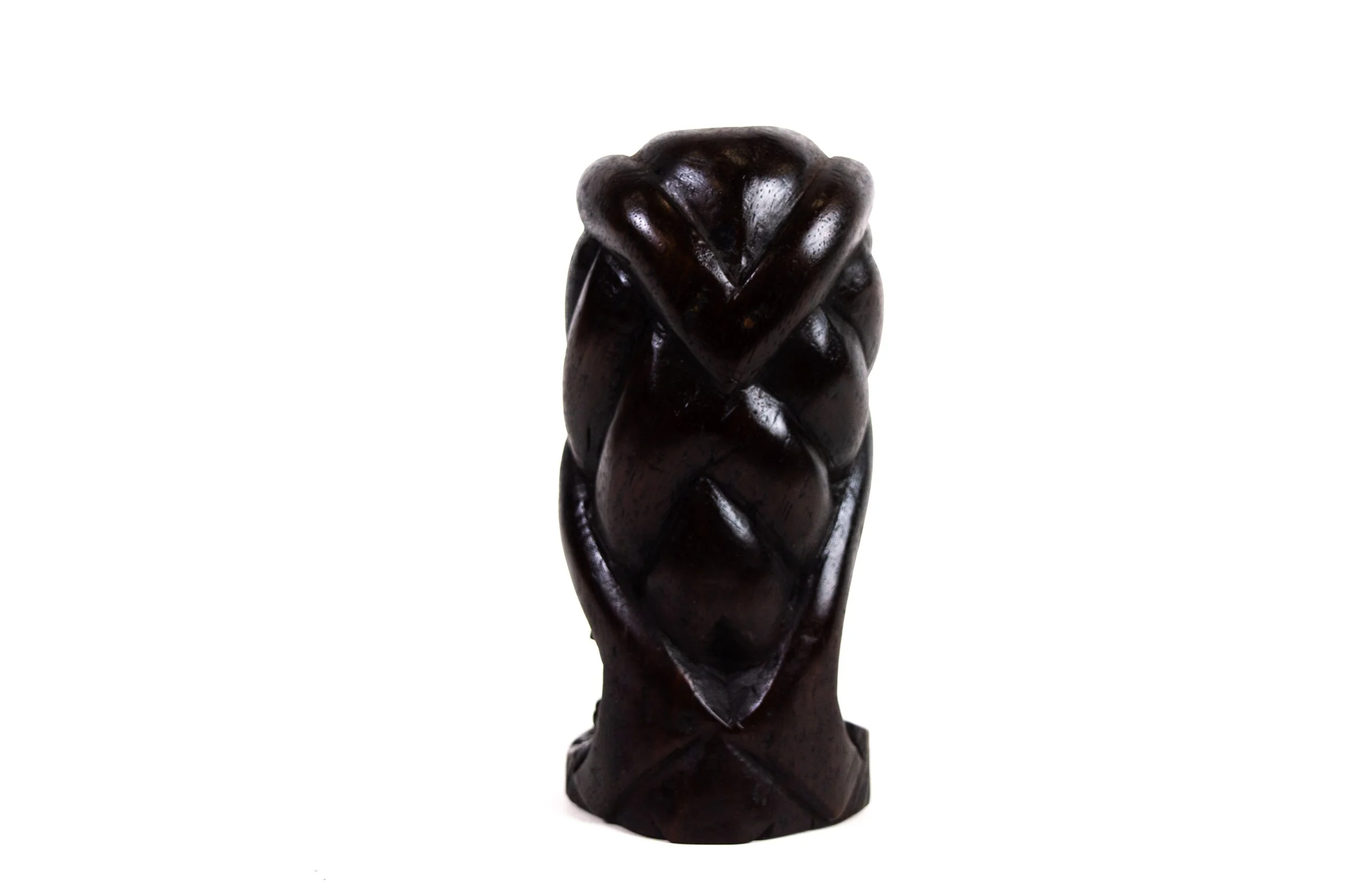 Image 8 of 9
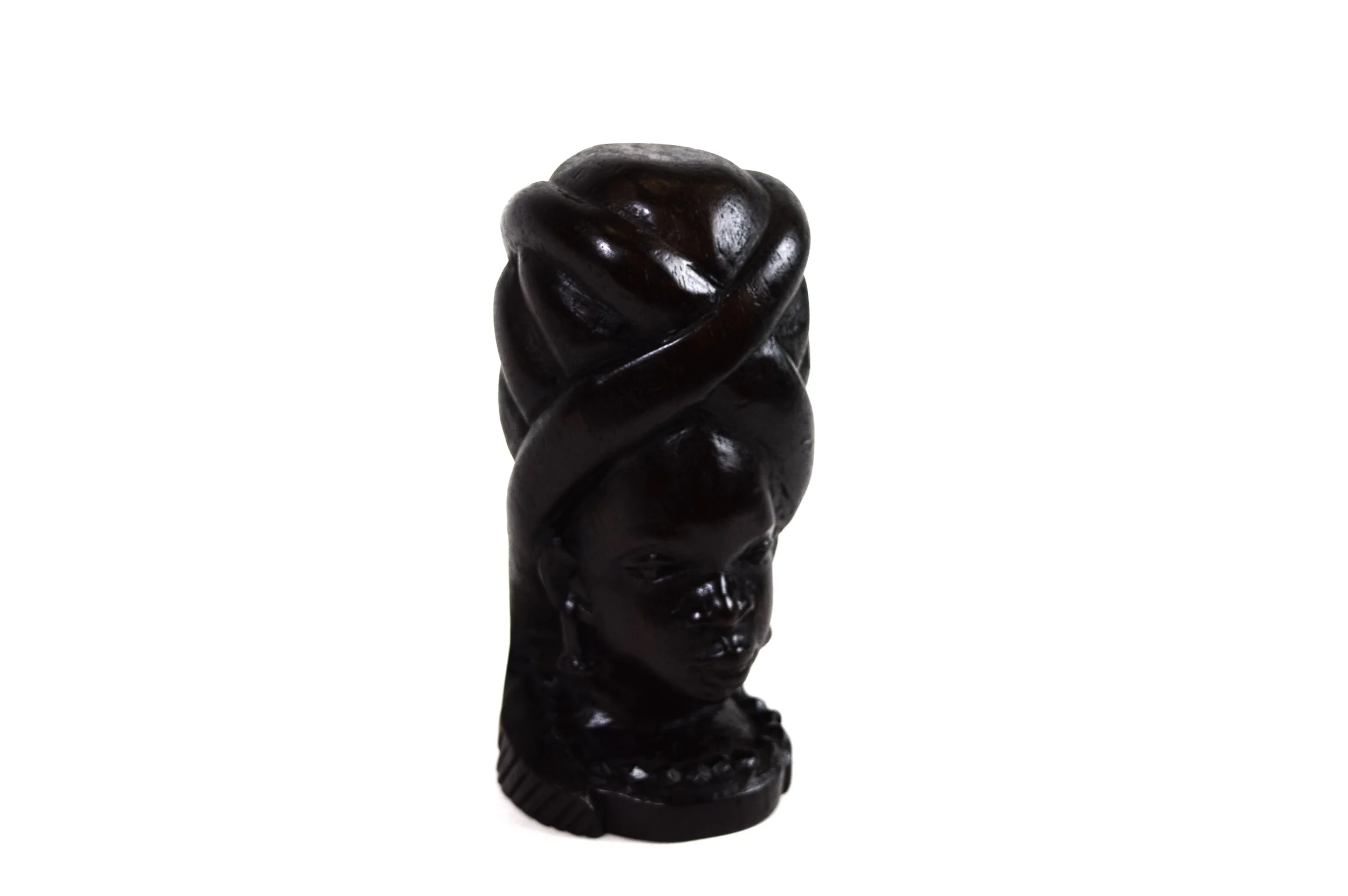 Image 9 of 9